excerpt from Final Reflection, ART230: Topics in Painting | 7 December 2023
I have noticed and formed opinions on residue in my art in the past. For instance, in a sculpture centered around the knitted repair of broken blinds, I preserved the dark dirt and powdered paint that accumulated on the lightly colored blinds (Figure 1). I have acknowledged the value in the byproducts of work. However, I had never intentionally incorporated the aesthetics and ideas that arise from residue into my practice. Upon the introduction of this Topics in Painting course, I instantly realized that this theme is a gaping opportunity for exploration. With a background of consideration, I was excited to get into action. Now, I can say that incorporating and considering residue for the past three months has greatly affected my practice.


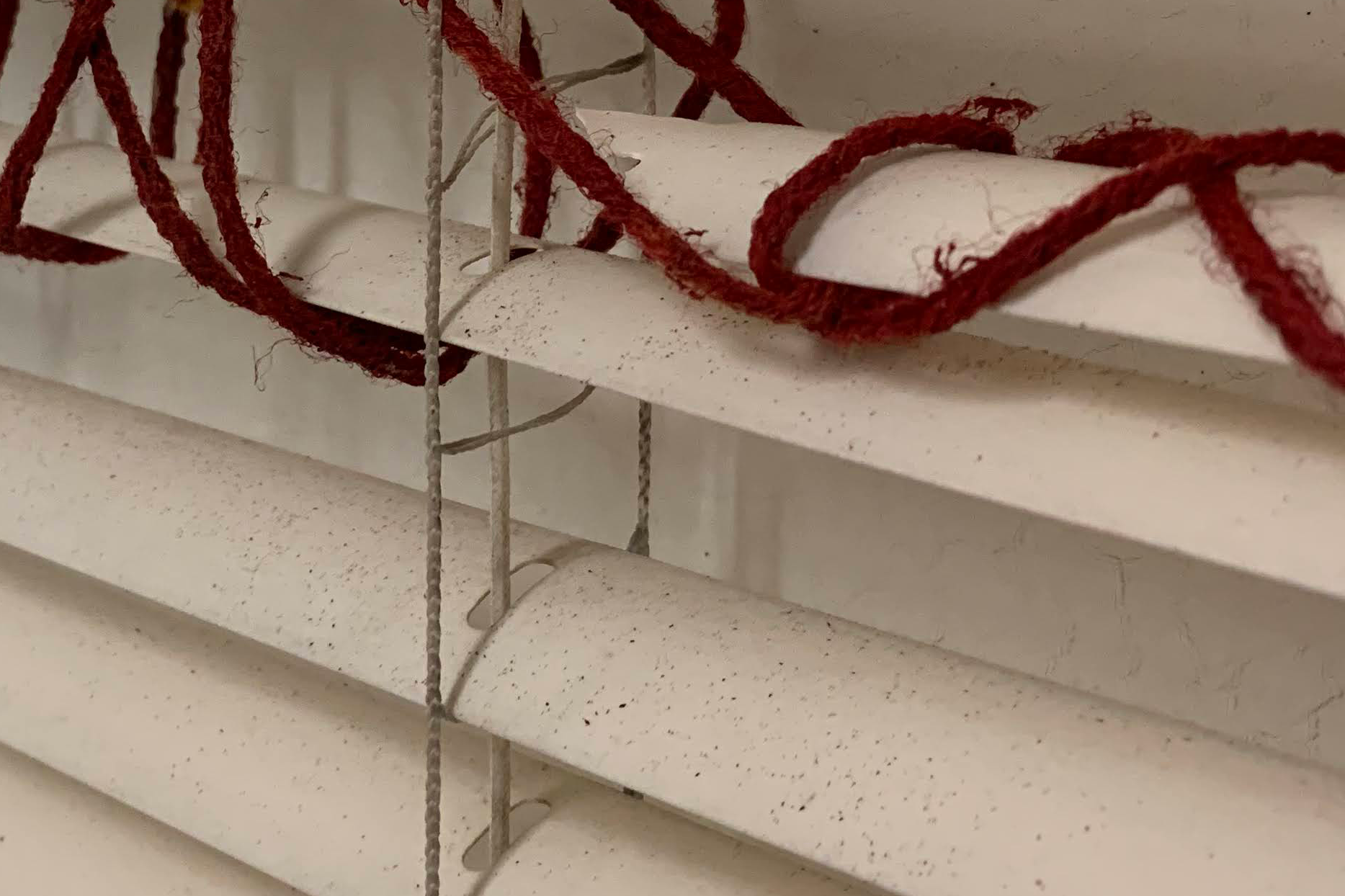
Figure 1: Mitevska, Angela. “Repaired Blinds”. 2022, blinds, yarn, acrylic paint, wood. Close up images of acrylic paint powder accumulating on dirty blinds.
A great change in my practice has been the intentional seeking and choosing of surfaces to work on. Surface is not a simple background, but an integral part of a work; choice of surface material and size can contextualize the message of a painting, or even change its intention. For instance, in painting an object of significance (Figure 2), I wanted to incorporate my interests in disguise and heavy material aesthetic. I painted a piece of found purple insulation foam to turn it into a heavy stone. The earthy colors I am naturally drawn to and my raw style of painting led me to the success of the guise. However, I also found that the thick foam material had lent itself to looking heavy; it was about 3-5 cm thick, displayed jagged and broken looking edges, and was carvable. The found foam was imperfect, and although those holes, dents and scratches were painted over, technically “covered,” they left their impressions on the final surface. In the case of “An Object of Significance,” the integration of surface into the painting even implied a sculptural use of paint. Oil paint and cold wax were used to modify the foam material, transforming it into a new object. The imagery of the cylinder and pole does not necessarily precede the object upon which it is painted. In fact, I acknowledge this work more as a sculptural form with an impression of imagery left behind as residue of my initial intention of a still life.

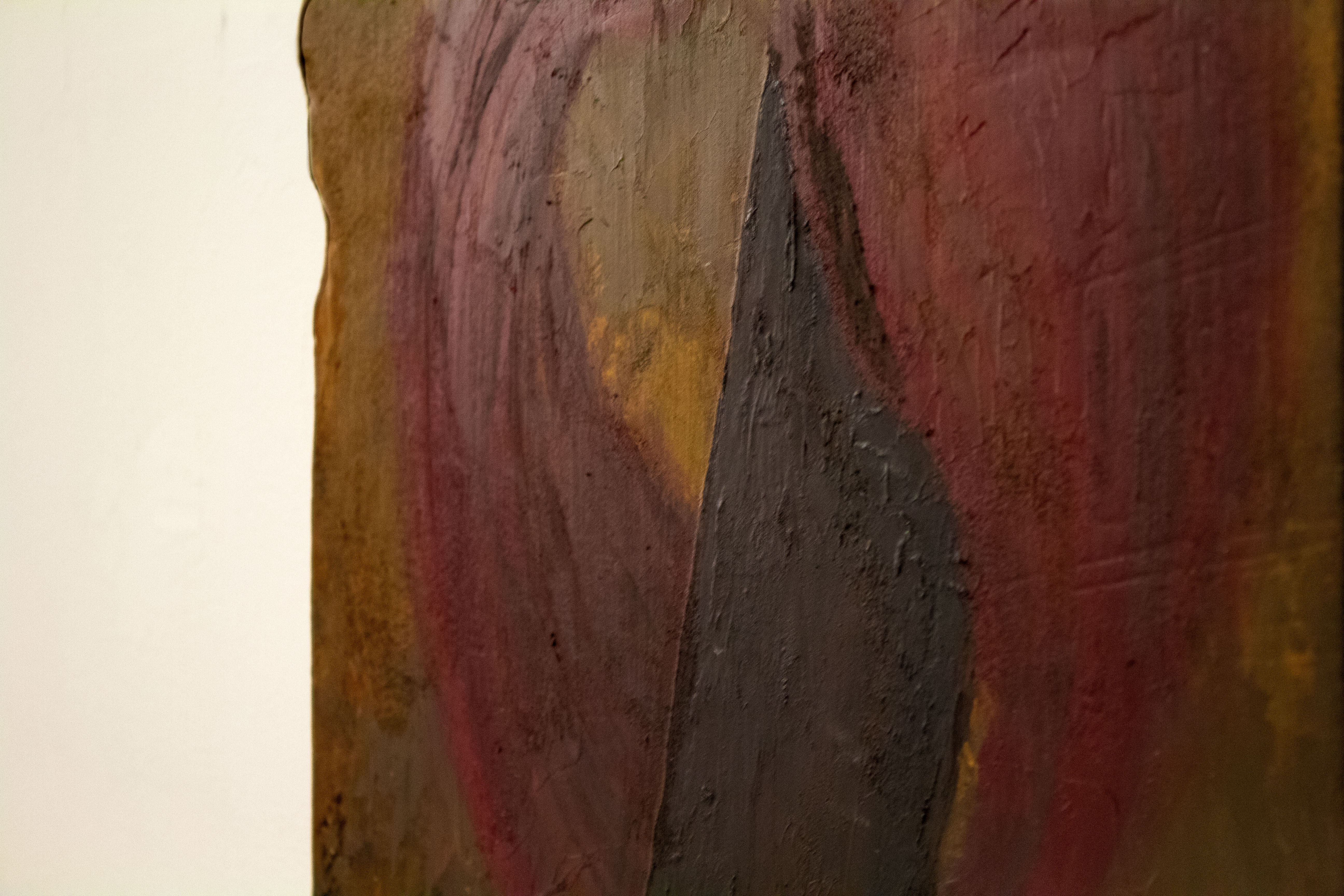
Figure 2: Mitevska, Angela. “An Object of Significance”. 2023, insulation foam, oil paint, cold wax.
This work propelled me to sourcing and making my own surfaces for the rest of the semester. I phased into creating plaster-covered cardboard surfaces for a few weeks, which I found to be a cheap and exciting method. With the plaster, I could completely create texture. This method was another way of disguising found material; by coating cardboard in plaster from both sides, it was completely concealed, and served as a skeleton of the plaster object. Also, just like the foam, it was key that the base materials were found recyclable waste. I will continue to find discarded and remnant materials as surfaces for painting, as these objects have enlightened my painting and general artistic practice. Building upon what has already existed through using recycling material was a key point for me to create residue-focused art.
 angela mitevska
Leave a comment